
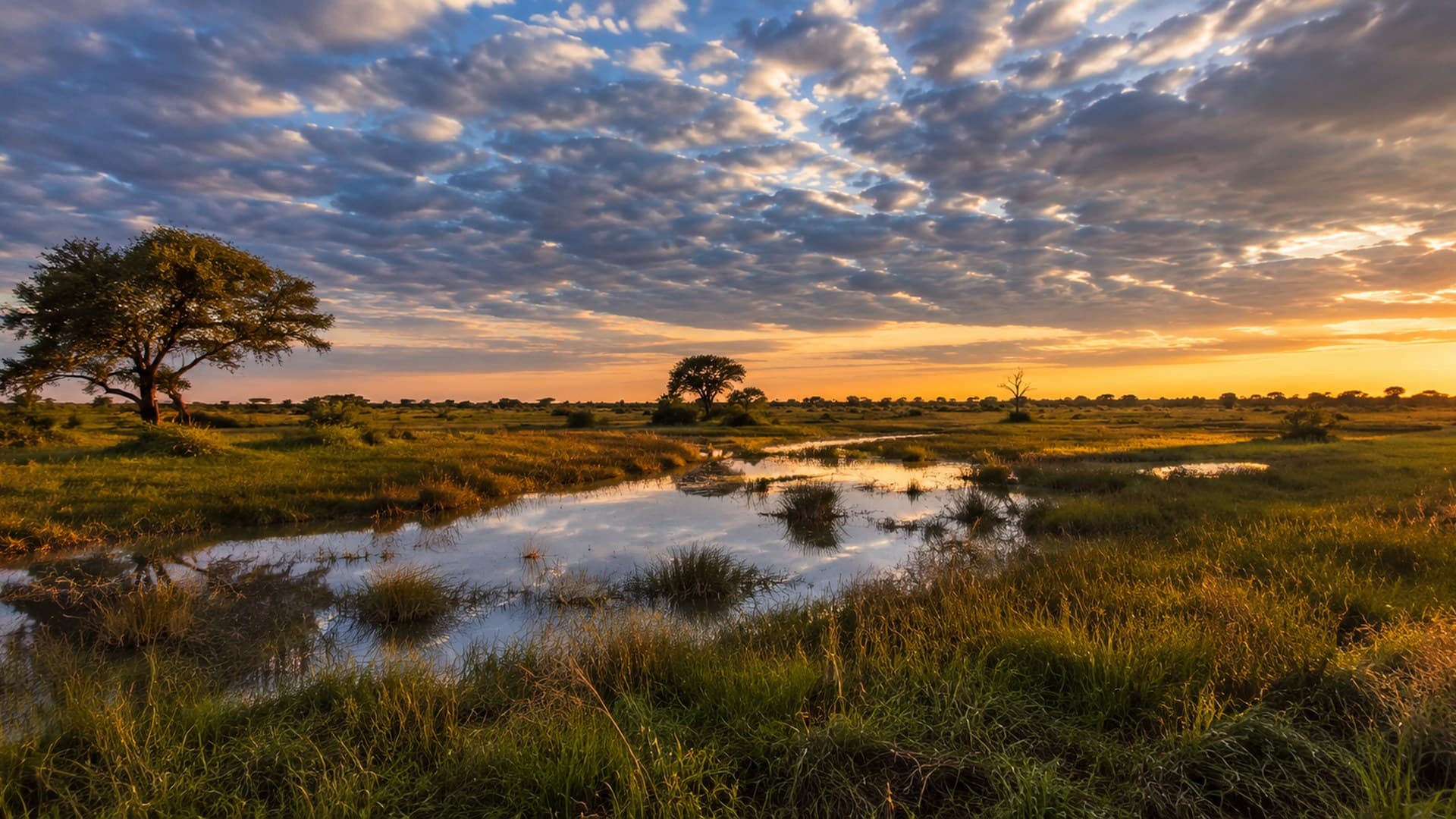
The Big Five
Lion. Leopard. Elephant. Rhino. Buffalo.
The Big Five were named by hunters for the five most dangerous animals to pursue on foot - lion, leopard, elephant, rhino, and buffalo. Today they are the touchstones of an African safari, and seeing them in the wild remains one of the most affecting experiences a traveller can have. Where you go matters: a curated reserve with the right guides will turn five sightings into five stories you will tell for the rest of your life.
Meet the Big Five
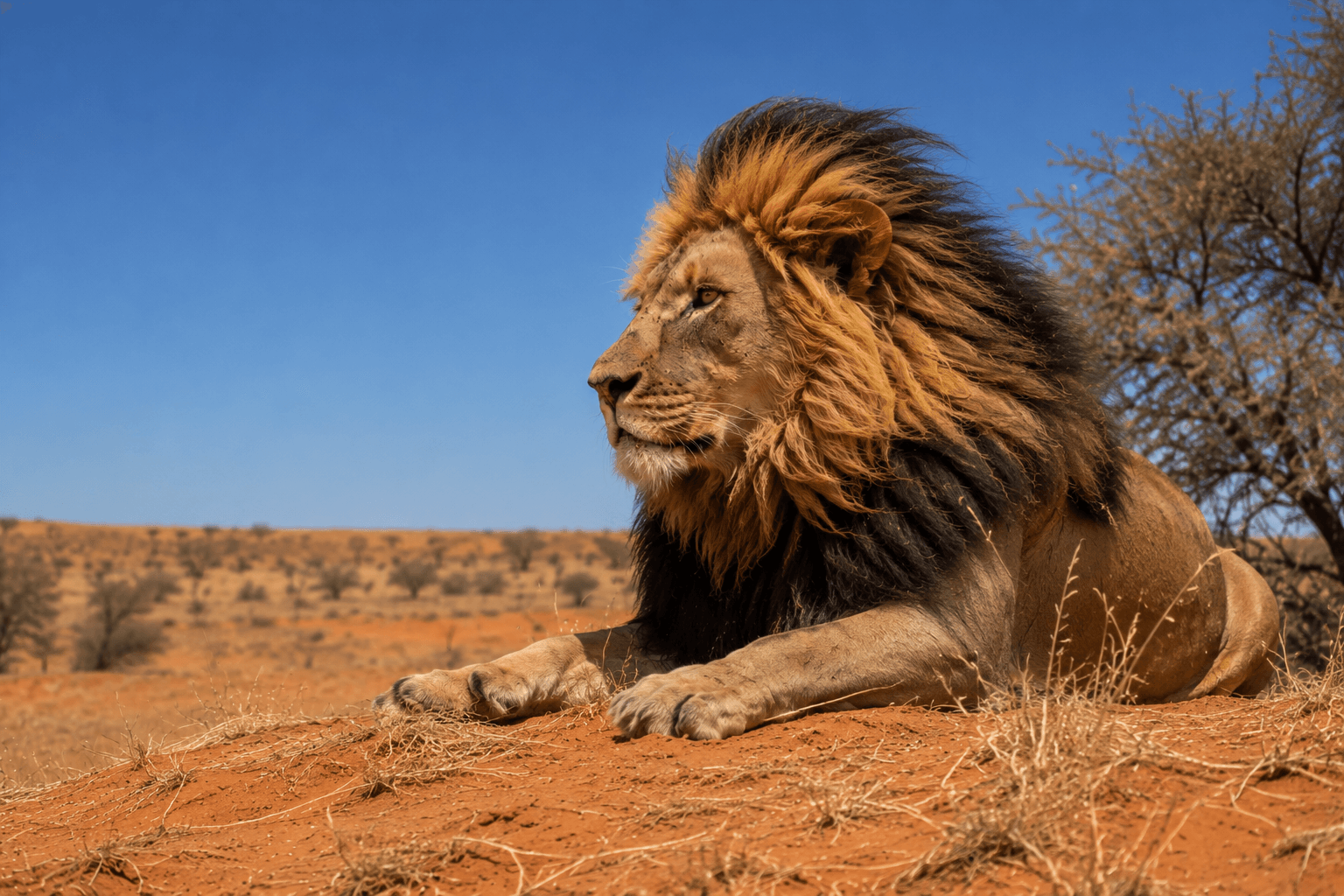
Lion
Africa's apex social predator. Best viewed in the early morning and late afternoon when prides are active around water and on the move between sleeping spots.
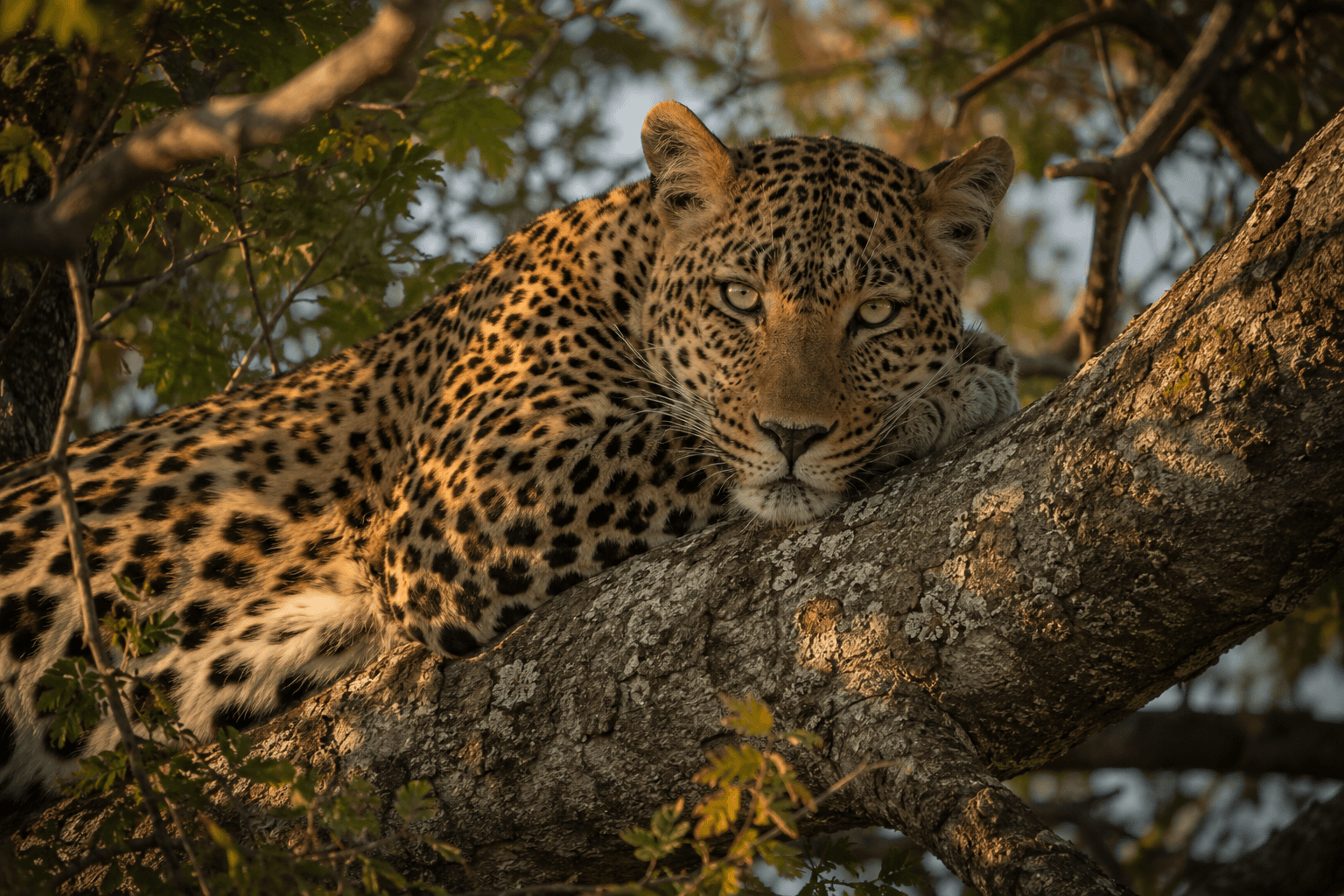
Leopard
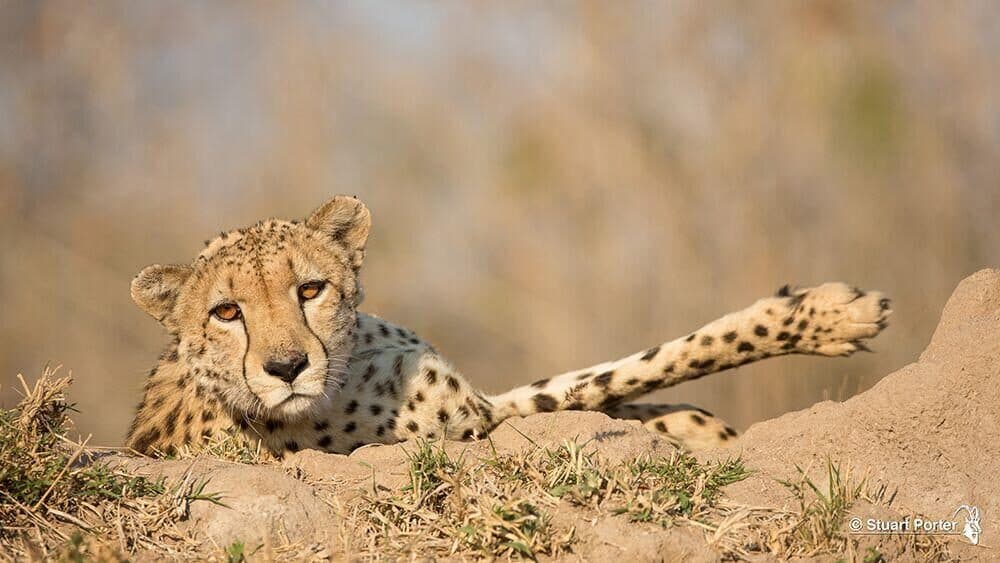
Solitary, secretive, and extraordinarily beautiful. Sabi Sand is the world's premier leopard destination - decades of habituation mean sightings here are routine and unusually close.
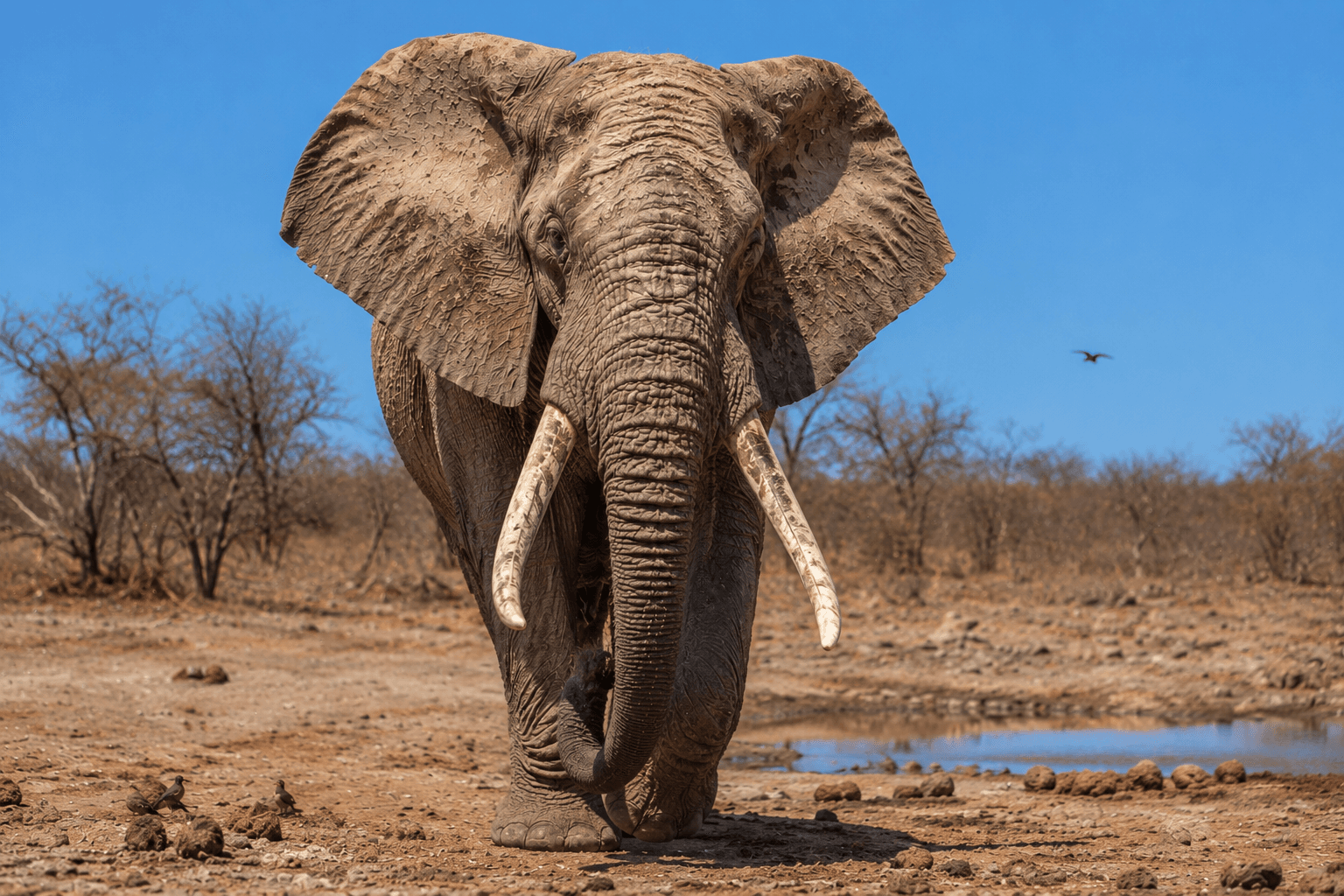
Elephant
The largest land animal on earth, and on the great floodplains and mopane belts of southern Africa, often encountered in herds of fifty or more.
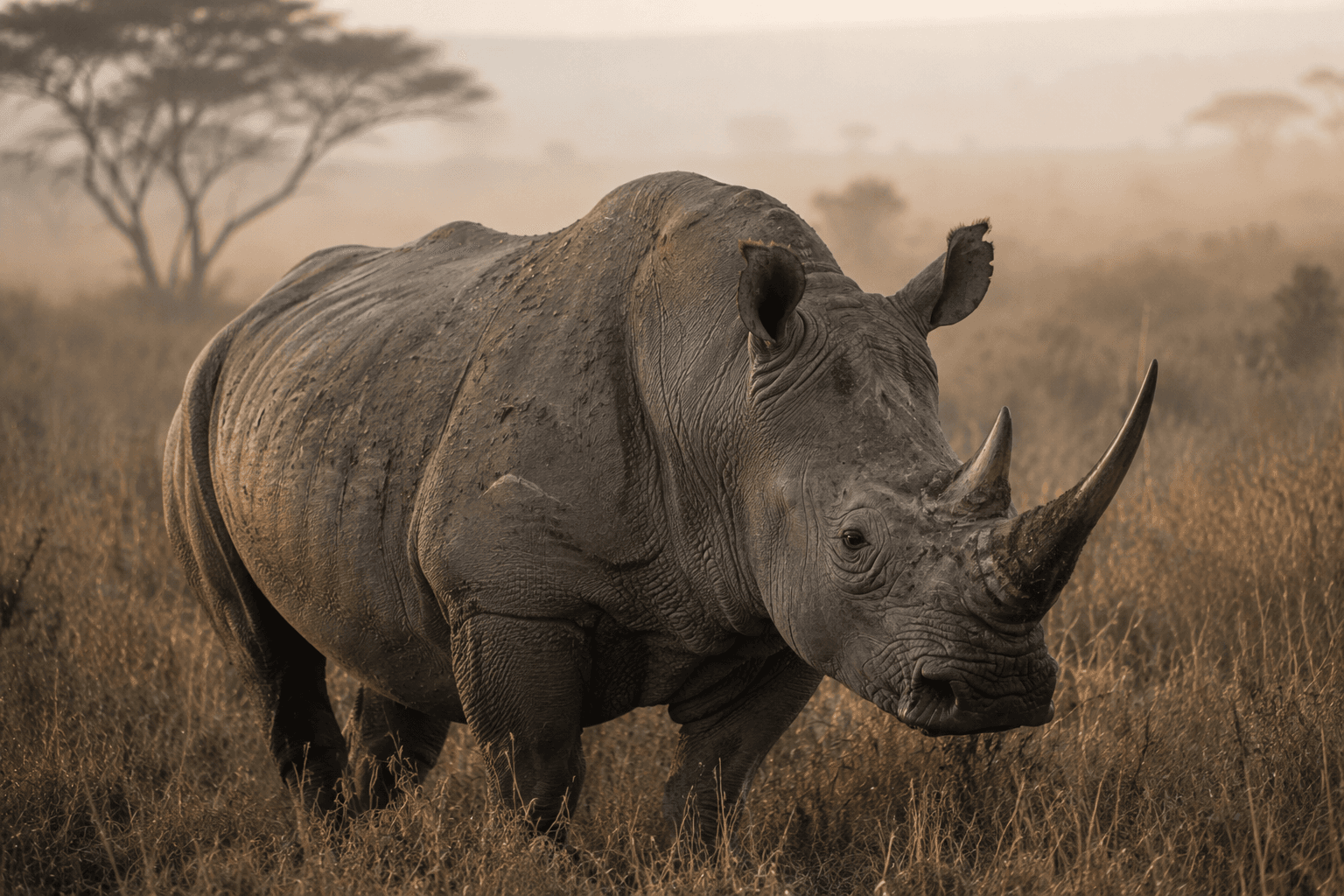
Rhino
Both white and black rhino are still seen on private reserves. Strict no-photography or location-disclosure rules apply on most reserves to protect these animals from poaching.
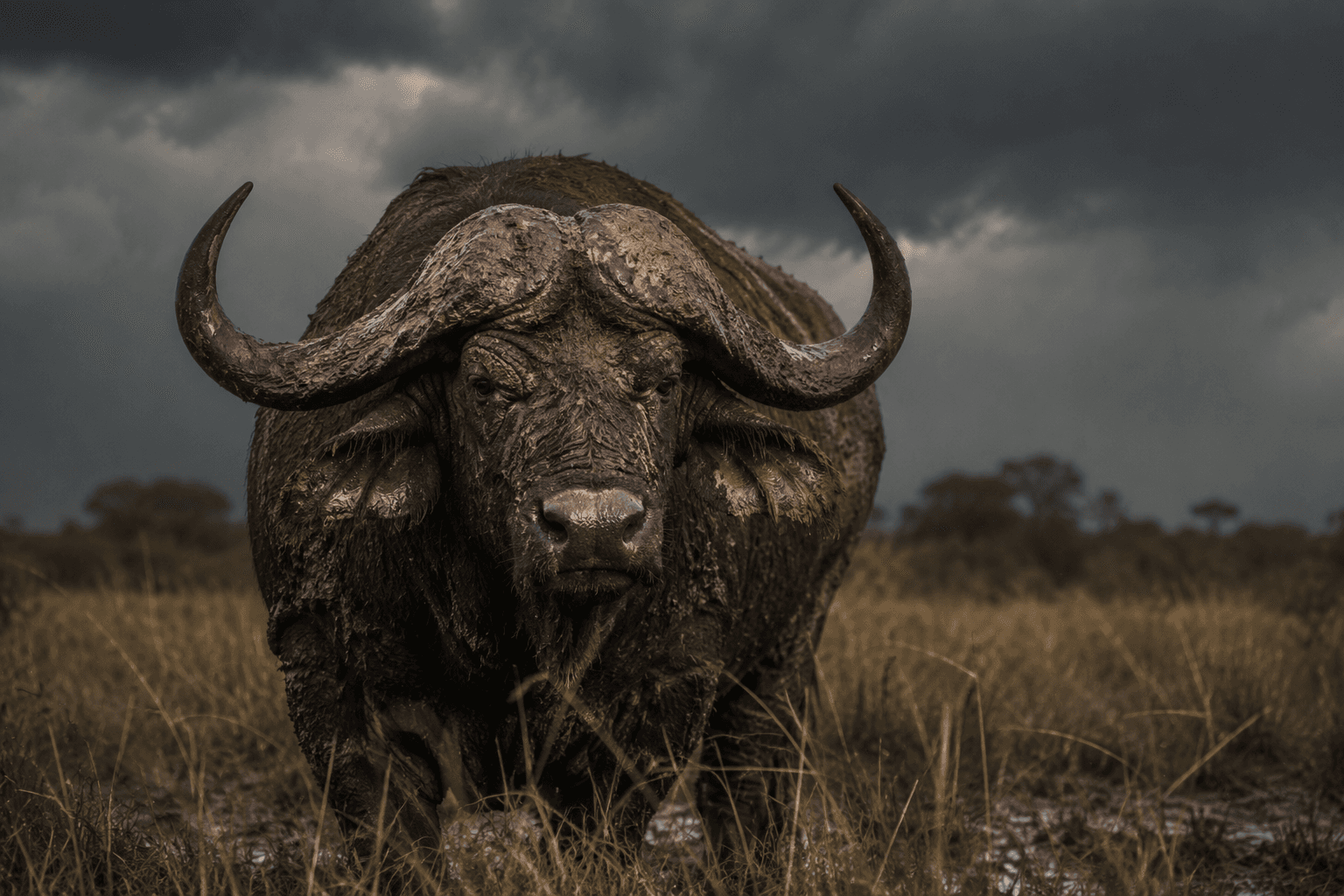
Buffalo
The unsung hero of the Big Five. Vast herds shape the landscape and bring lion prides with them - the lion-and-buffalo dynamic is one of the great spectacles of the African bush.
Where to See the Big Five
Three reserves where the Big Five is genuinely on the table - each with the lodges we trust to deliver it.
South Africa
Sabi Sand Game Reserve
Sharing an unfenced border with the Kruger National Park, Sabi Sand is widely considered the finest Big Five destination on the continent. Decades of habituation mean leopard sightings here are routine and astonishingly close - often from the same vehicle that has tracked lions, elephants, and rhinos earlier in the morning. Off-road traversal rights and limited vehicle numbers per sighting are what set this reserve apart.
Recommended Lodges
South Africa
Greater Kruger
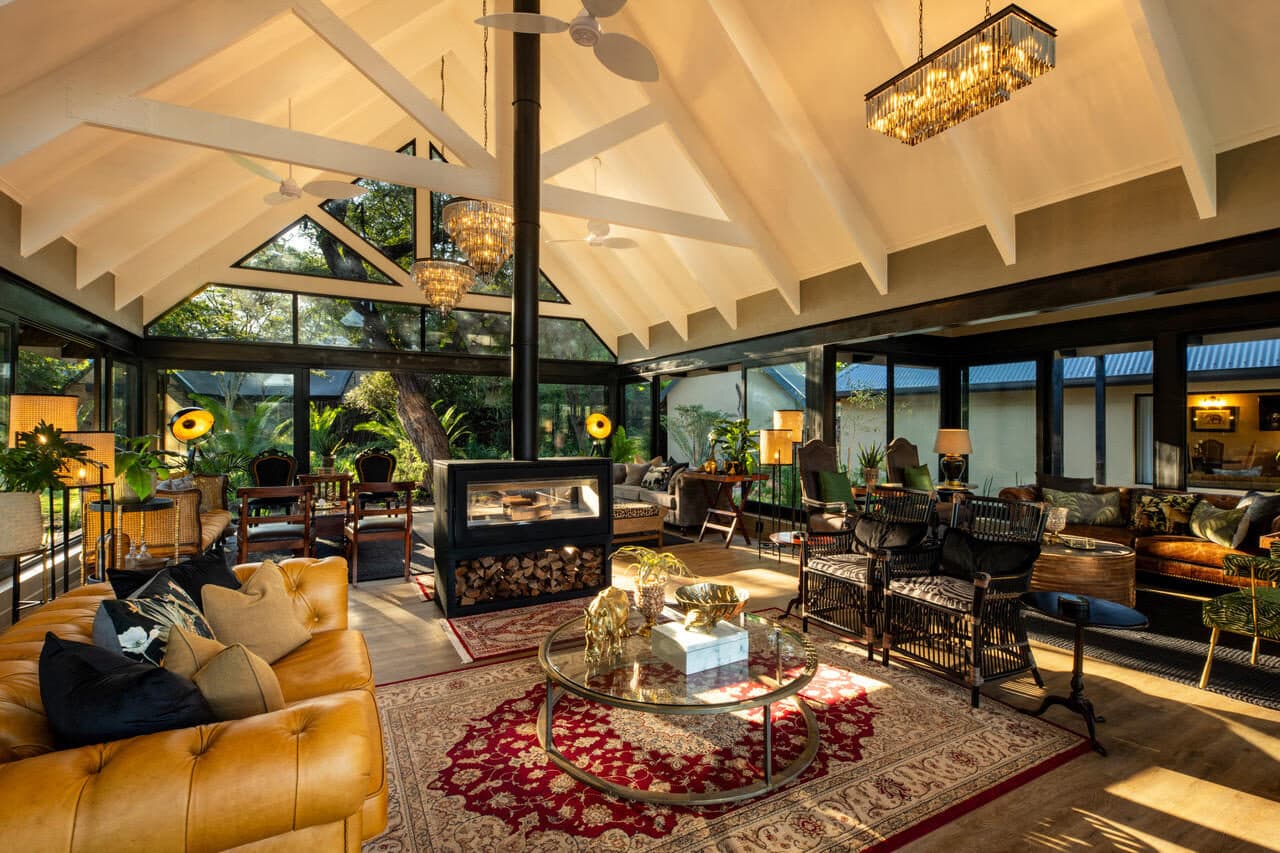
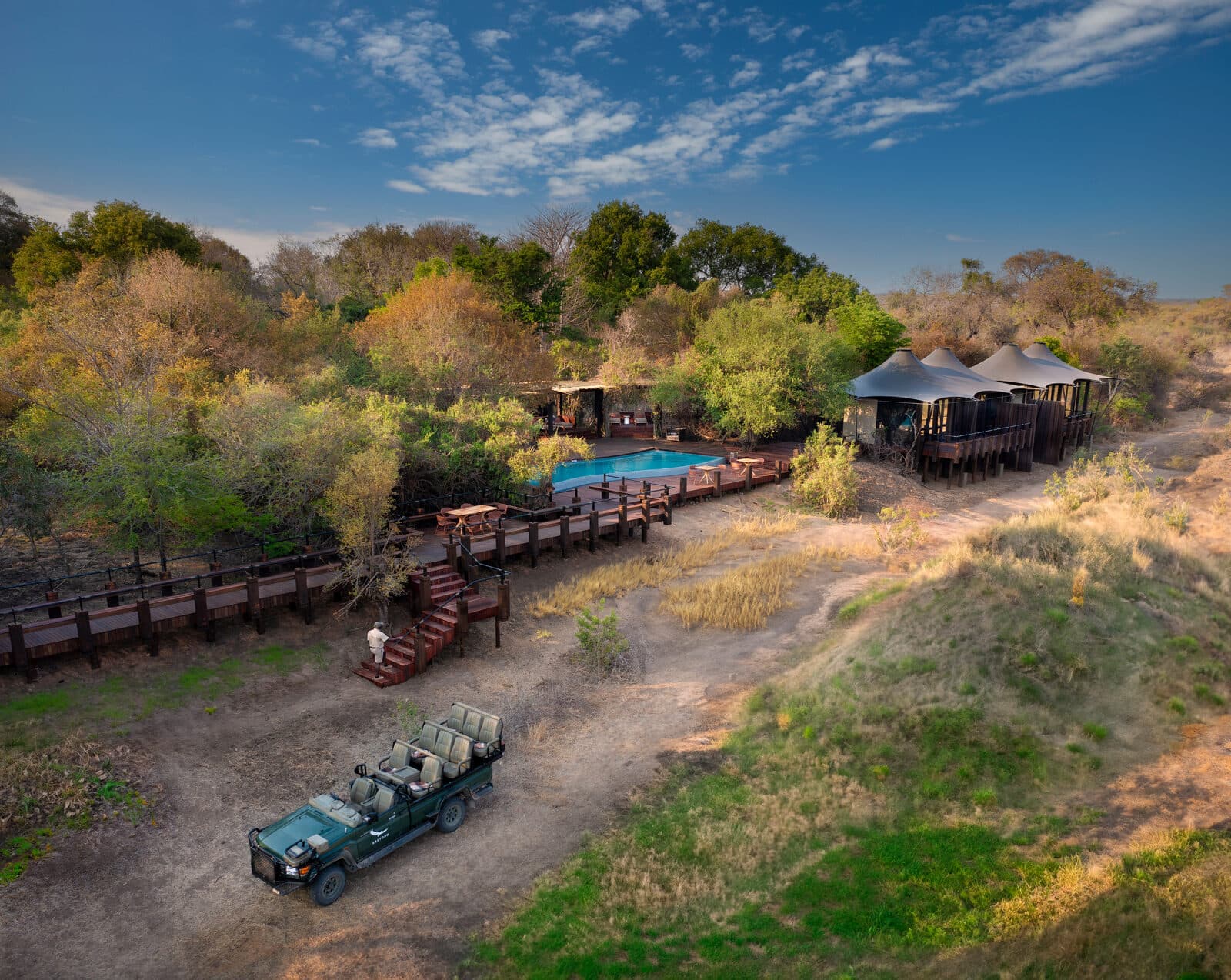
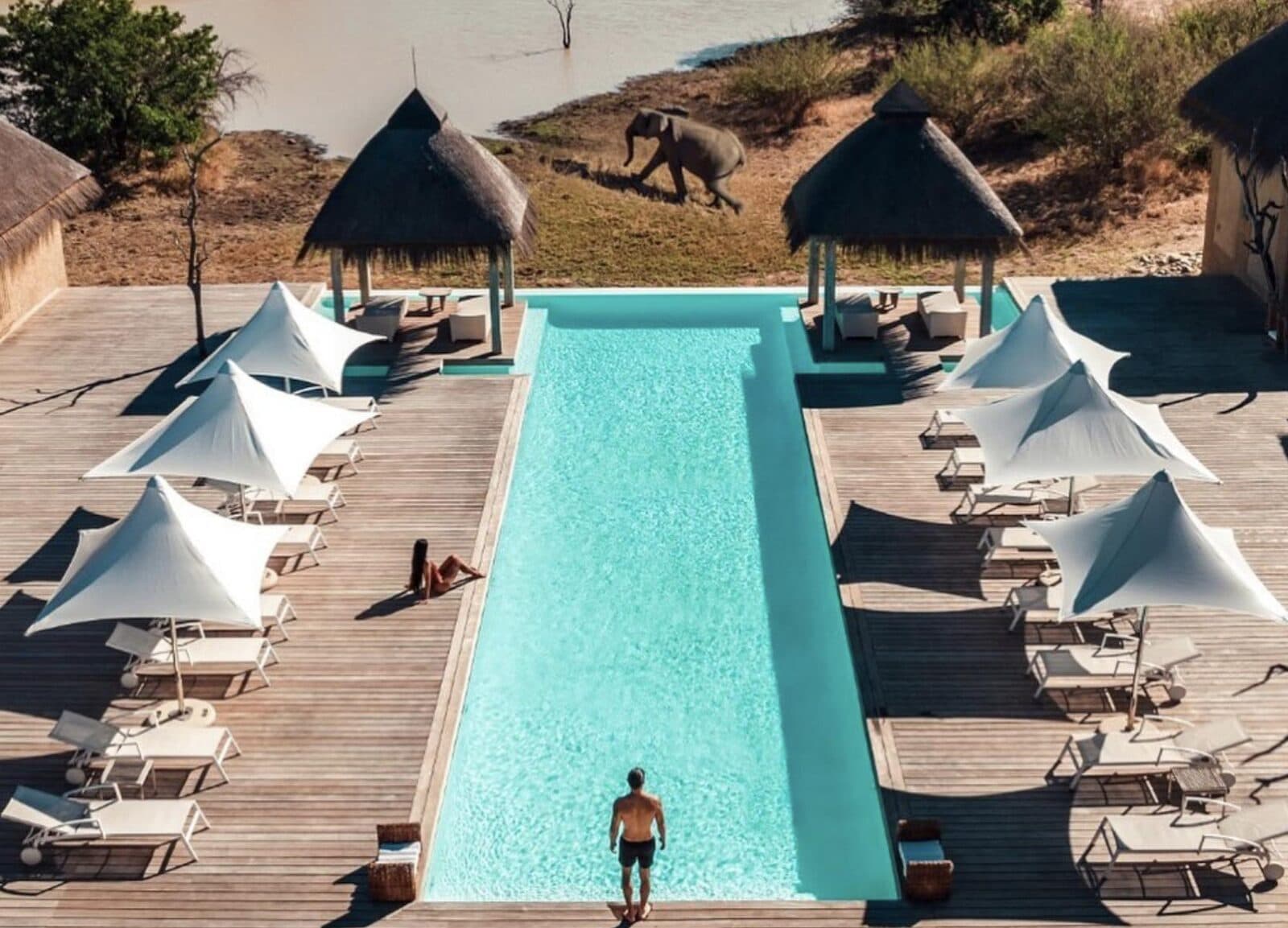
The Greater Kruger spans almost two million hectares of public park, private concessions, and community-owned reserves - all sharing the same wildlife population. Buffalo herds in the thousands, large breeding herds of elephant, and excellent rhino viewing make this one of the most reliable Big Five regions on the continent. Pair a private concession for exclusivity with a day in the public park for sheer scale.
Recommended Lodges
Kenya
Maasai Mara
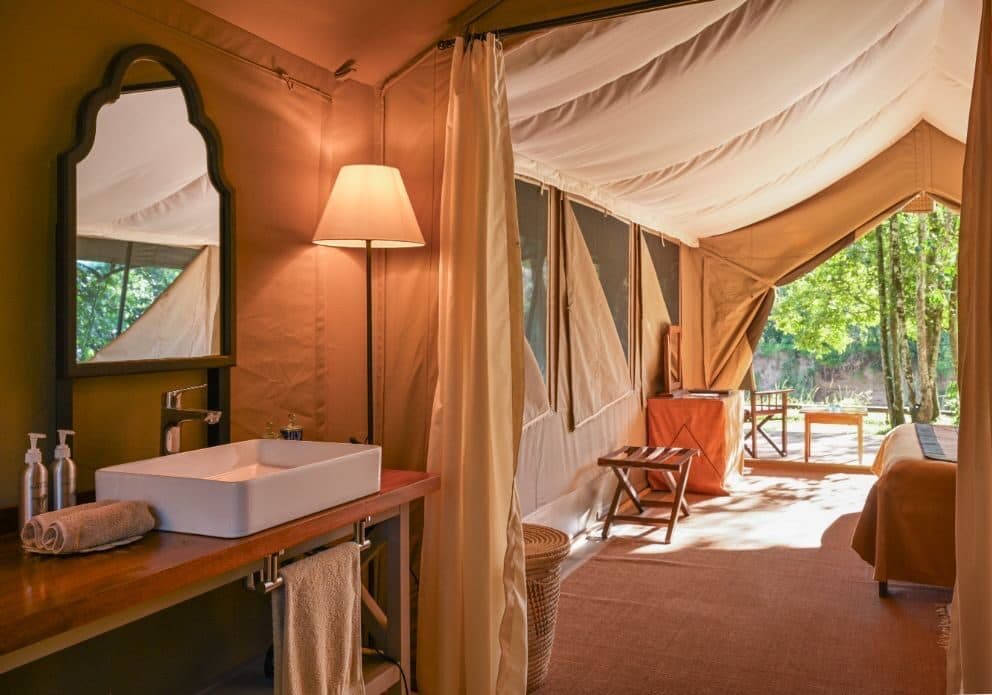
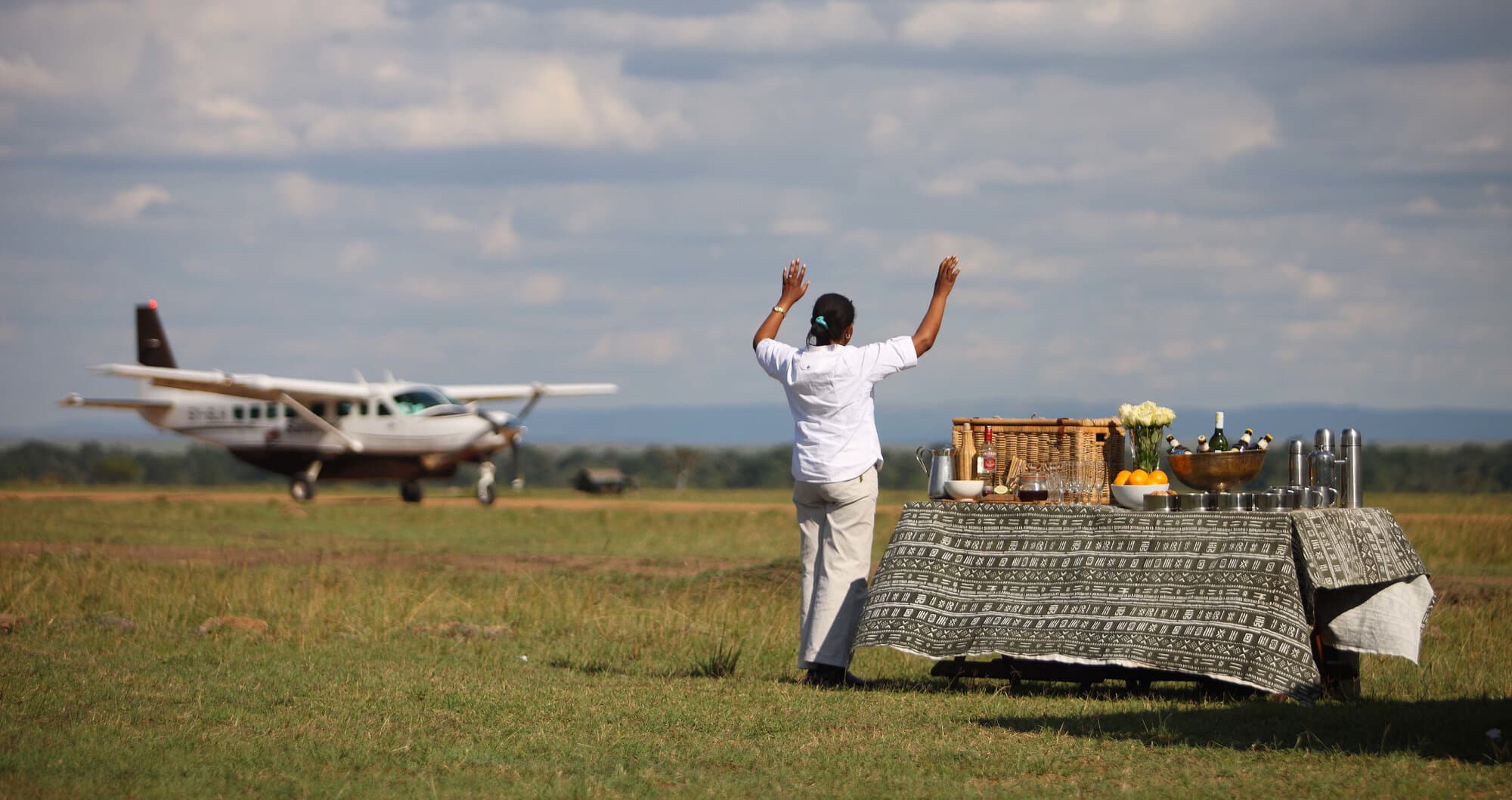
The Mara delivers the Big Five against Africa's most cinematic backdrop - rolling grasslands, the Mara River, and vast skies - and adds the Great Migration's wildebeest crossings between July and October. The Mara's lion prides are among the largest in Africa, leopards work the riverine forest along the Talek and Mara rivers, and elephant and buffalo are present year-round. Stay in a private conservancy bordering the reserve for the quietest sightings.
Recommended Lodges
Specialist Big Five Encounters
If you have a particular animal or interaction in mind, these are the lodges we'll point you to.
For Big Elephant Encounters
Northern Botswana - DumaTau on the Linyanti, the Okavango Delta's Vumbura Plains - and the elephant-rich camps of the Greater Kruger like Ngala consistently deliver up-close encounters with breeding herds in the dry months. Tanzania's Tarangire and the Selous (Nyerere) are also extraordinary for elephant.
For the Lion-and-Buffalo Spectacle
Duba Plains, deep in the Okavango Delta, is one of the only places on earth where the lion-and-buffalo dynamic plays out daily. Resident prides have learned to hunt buffalo in the floodplains - a wildlife encounter that has been the subject of multiple wildlife documentaries.
For Rhino in the Wild
Both black and white rhino can still be seen in select reserves. We work only with operators that adhere to strict anti-poaching protocols - which sometimes means no photographs of rhino with location data, and being guided rather than self-driving.
Planning a Big Five Safari
Best Time to See Each
The dry winter months (May to September in southern Africa, June to October in East Africa) offer the easiest viewing as wildlife concentrates near remaining water. Green season (November to March) brings calving herds, dramatic skies, and excellent photographic light - though sightings require more patience.
Walking vs Game Drive
Game drives let you cover ground and stay close to predators safely. Walking safaris - led by armed guides in reserves like Rhino Post (Kruger) or Tanda Tula (Timbavati) - shift the perspective entirely: you read tracks, hear the bush, and approach plains game on foot. The combination of both is the richest way to engage with the Big Five.
Photographic Tips
A 100-400mm zoom covers most Big Five sightings; pair it with a wider lens for environmental shots. Early morning and late afternoon light are unrivalled. Many private reserves allow off-road traversing for clean angles - check with your guide and respect the sighting etiquette: predators always have right of way.
Let's Plan Your Big Five Safari
Tell us when and where, and our experts will craft a tailored Big Five itinerary within 48 hours.
Start Planning